Are you drawn to neighborhoods where the homes have as much personality as the people who live around them? Historic Edgefield stands out for exactly that reason. If you are exploring East Nashville or thinking about buying or selling a home with architectural character, this guide will help you understand what makes Edgefield feel so distinct and what that means for daily life. Let’s dive in.
Why Historic Edgefield Matters
Historic Edgefield is one of Nashville’s earliest suburbs, with roots tied to early east-bank development. Metro design guidelines trace the area back to Dr. John Shelby’s 1818 acquisition of 640 acres, with later growth shaped by the 1853 suspension bridge, railroad access, and Edgefield’s incorporation as an independent municipality in 1868.
By 1869, Edgefield had 3,457 residents, 675 homes, and seven churches. That early growth helped create the layered residential fabric you still see today, which is one reason the neighborhood remains so compelling for buyers who care about history, design, and place.
Edgefield’s story also includes resilience. A major fire in March 1916 destroyed nearly 648 homes, and the rebuilding that followed introduced bungalow houses on sites that had previously held Queen Anne and Italianate homes. That rebuilding period is a big part of why the neighborhood feels architecturally varied instead of uniform.
Edgefield Architecture at a Glance
Historic Edgefield is best understood as architecturally layered, porch-forward, and preservation-minded. It is not defined by one single home style. Instead, it reflects a broad stretch of residential design from roughly the 1860s through the early 1930s.
The National Register listing identifies Stick/Eastlake, Italianate, and Queen Anne as principal styles in the district. Metro’s local design guidelines broaden that story to include Classical Revival and Bungalow homes as well.
That range gives the neighborhood a lived-in, collected feel. As you move through the area, you may notice that homes differ in ornament, rooflines, and massing, yet the streets still feel tied together.
Key Styles You May See
- Italianate homes with tall proportions and decorative detailing
- Stick/Eastlake homes with more textured woodwork and ornament
- Queen Anne homes with varied forms and visual richness
- Classical Revival homes with more formal, balanced features
- Bungalow homes that reflect the post-1916 rebuilding era
What Makes the Streetscape Feel So Cohesive
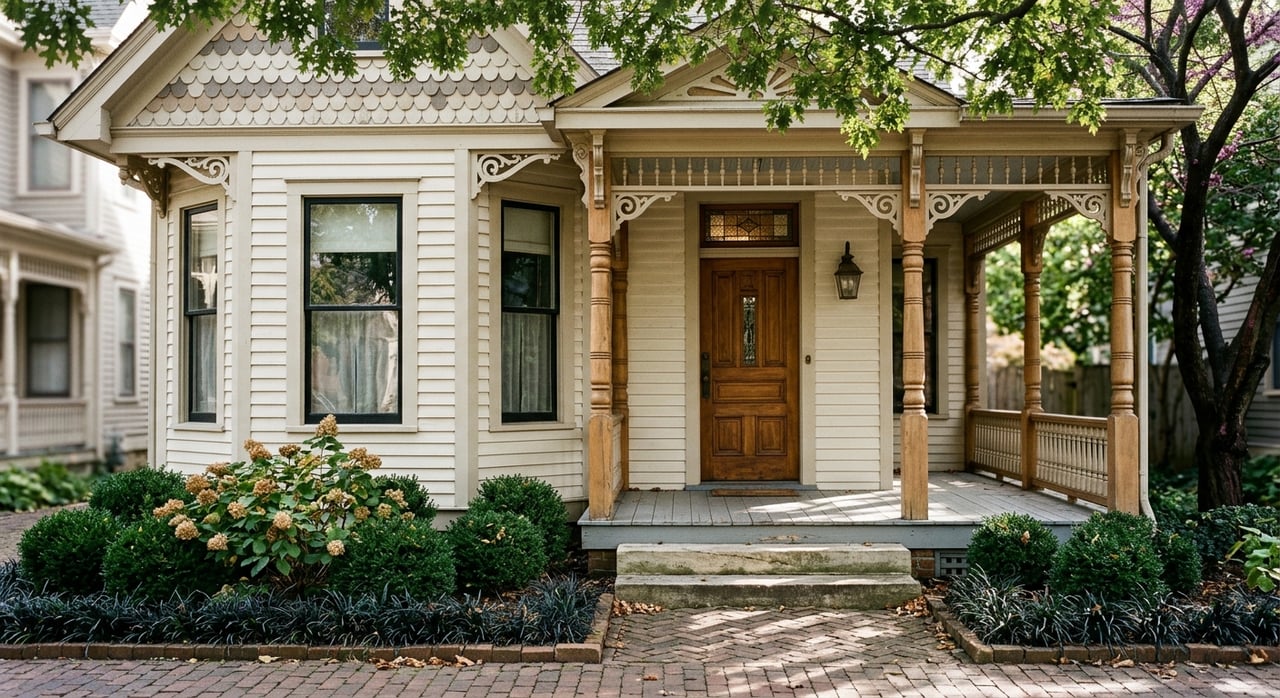
In Edgefield, the feeling of the street matters as much as the style of any one house. Metro’s guidelines emphasize front porches, street-facing orientation, consistent setbacks, and compatible window and door proportions.
That means the neighborhood’s character comes from repetition and rhythm. Porches facing the street, similar spacing between homes, sidewalks, fences, and recognizable rooflines all work together to create a strong sense of place.
For design-conscious buyers, this is often what makes Edgefield so appealing. Even with a mix of house types, the neighborhood feels visually connected because the public-facing elements share a common language.
Streetscape Features to Notice
- Front porches that relate directly to the street
- Homes set at a similar distance from the sidewalk
- Window and door proportions that feel compatible across blocks
- A consistent relationship between houses, fences, and sidewalks
- Rooflines and spacing that support a historic street rhythm
Understanding Historic Status in Edgefield
One of the most important things to understand is that National Register status and local historic zoning are not the same thing. In Edgefield, they are separate designations with different boundaries.
The National Register listing is honorary on its own unless federal funds are involved. The local historic zoning overlay is what triggers exterior design review.
This distinction matters if you are buying, renovating, or preparing to sell. A home may sit within a historic context, but the review process depends on the local overlay rather than the National Register label alone.
What Local Historic Zoning Means for Owners
Under the local overlay, exterior work visible from public rights-of-way receives more careful review than work that is less visible. The emphasis is clear: preserving the public streetscape is the priority.
Metro’s guidelines also note that small rear structures under 100 square feet without foundations are exempt. That detail helps show how the rules focus more on visible character than on every change made to a property.
In practical terms, Edgefield tends to reward thoughtful stewardship. Original materials, porches, windows, and architectural details are generally expected to be repaired rather than casually replaced, and new work is expected to remain visually compatible with surrounding historic buildings.
What Buying in Edgefield Can Feel Like
If you love homes with character, Edgefield offers a type of housing experience that newer neighborhoods usually cannot replicate. You are not just looking at square footage or finishes. You are also evaluating craftsmanship, proportions, porches, original details, and how a home contributes to the street.
For many buyers, that is part of the appeal. A home in Historic Edgefield can feel connected to Nashville’s past while still being part of a lively, current East Nashville setting.
At the same time, buying here usually calls for a more careful eye. The design choices, exterior condition, and renovation quality all matter, especially in a preservation-minded district.
Smart Things to Evaluate as a Buyer
- The condition of original exterior elements
- Whether past updates appear visually compatible with the home
- How the house relates to the street and surrounding homes
- The presence and condition of porches, windows, and trim details
- Whether your future plans may involve exterior review under the local overlay
What Sellers Should Understand
If you are selling in Historic Edgefield, the neighborhood’s identity can be a real strength. Buyers are often drawn to homes here because of the architecture, the street presence, and the sense of continuity from one block to the next.
That means your home’s presentation should highlight the features that matter most in this setting. Porch appeal, preserved details, architectural integrity, and a clean relationship between house and streetscape can all shape how buyers respond.
Metro’s preservation background also suggests a measured long-term value story. Resident-led historic zoning efforts were intended to protect historic resources, improve property values, and create a stable climate for investment, which is best understood as a preservation benefit over time rather than a guarantee.
Edgefield Lifestyle and Daily Living
Historic Edgefield sits within East Nashville’s broader urban fabric, and that context shapes the lifestyle as much as the architecture does. Visit Nashville describes East Nashville as being across the Cumberland River from downtown, with a culturally diverse, eclectic vibe and a strong mix of restaurants, bars, coffee shops, vintage stores, live music, art, and shopping.
That mix gives Edgefield an appealing balance. You get historic homes and a strong neighborhood identity, but you are also part of a larger area known for creativity and activity.
For many residents, that means your day can move easily between quiet residential blocks and a more energetic neighborhood scene nearby. It is one reason the area continues to attract people who want both character and convenience.
The Five Points Connection
The nearby Five Points area adds another layer to Edgefield’s lifestyle appeal. Visit Nashville highlights it as a center of community activity, including events like Tomato Art Fest, which features tomato-themed art, live music, more than 225 local vendors, and a strong neighborhood celebration feel.
Events like that help explain why East Nashville often feels more than simply residential. In and around Edgefield, historic housing and a contemporary creative scene exist side by side.
Why Edgefield Feels Walkable
Metro planning materials frame neighborhood planning around connectivity, walkability, and attractiveness. Edgefield’s porch-forward, street-oriented design supports that kind of pedestrian experience in a very natural way.
When homes face the street, porches stay active, and setbacks remain consistent, the neighborhood tends to feel more connected at ground level. Sidewalks, fences, and close visual relationships between homes can make everyday movement through the area feel more engaging.
Historic Edgefield Neighbors also remains active with a mission centered on preservation and neighborhood quality of life, along with community events and streetscape upkeep. That ongoing involvement helps support the neighborhood’s strong sense of identity.
Why Edgefield Appeals to Design-Conscious Buyers
Some neighborhoods appeal because they are polished and new. Edgefield appeals because it feels collected, layered, and rooted. If you appreciate architecture that tells a story, this part of East Nashville offers a rare mix of visual character and urban energy.
The neighborhood also rewards buyers and sellers who notice the details. In a place where porches, setbacks, windows, and exterior materials all contribute to the whole, small design choices can carry more meaning.
That is often where experienced local guidance matters most. Understanding the difference between a charming old house and a well-positioned historic property takes context, not just enthusiasm.
If you are considering a move in Historic Edgefield or elsewhere in Nashville, Gaston Group offers thoughtful guidance for buying, selling, relocation, valuation, and neighborhood strategy with a design-aware, high-touch approach.
FAQs
What makes Historic Edgefield historically important in Nashville?
- Historic Edgefield is one of Nashville’s earliest suburbs, became an independent municipality in 1868, was listed on the National Register in 1977, and became Nashville’s first historic zoning district in 1978.
What architectural styles are most common in Historic Edgefield?
- The neighborhood is known for Stick/Eastlake, Italianate, Queen Anne, Classical Revival, and Bungalow homes, reflecting development from roughly the 1860s through the early 1930s.
What do you notice first when walking Historic Edgefield?
- Many people first notice the street-facing porches, regular setbacks, historic windows and doors, and the mix of late-19th- and early-20th-century house forms.
Does National Register status in Historic Edgefield restrict renovations?
- National Register status alone is honorary, but the local historic zoning overlay can require review of exterior changes that are visible from public rights-of-way.
What does local historic zoning in Historic Edgefield mean for homeowners?
- It means exterior work that affects the public-facing character of a home is reviewed more carefully, with an emphasis on repair, compatible design, and preservation of the streetscape.
What is the lifestyle like around Historic Edgefield in East Nashville?
- Historic Edgefield offers a mix of historic residential character and access to East Nashville’s broader scene of restaurants, coffee shops, live music, art, shopping, and community events near areas like Five Points.