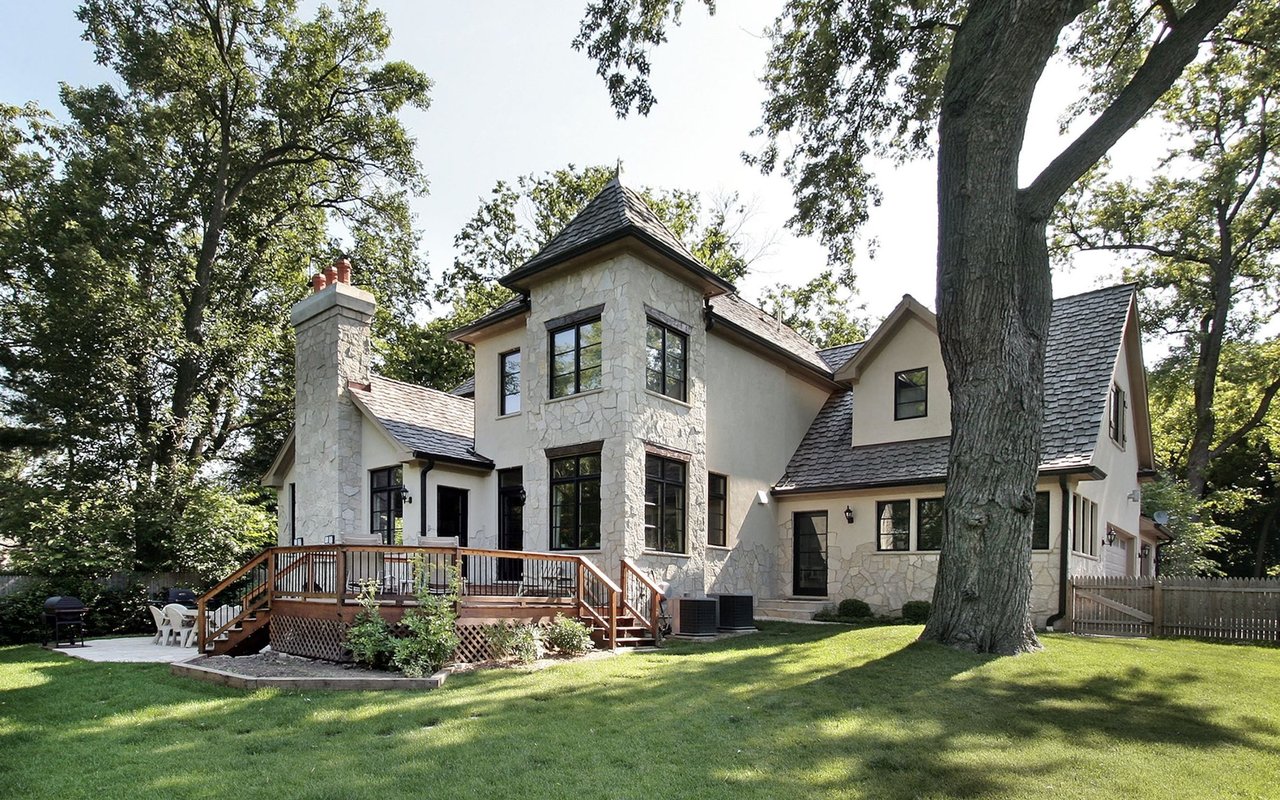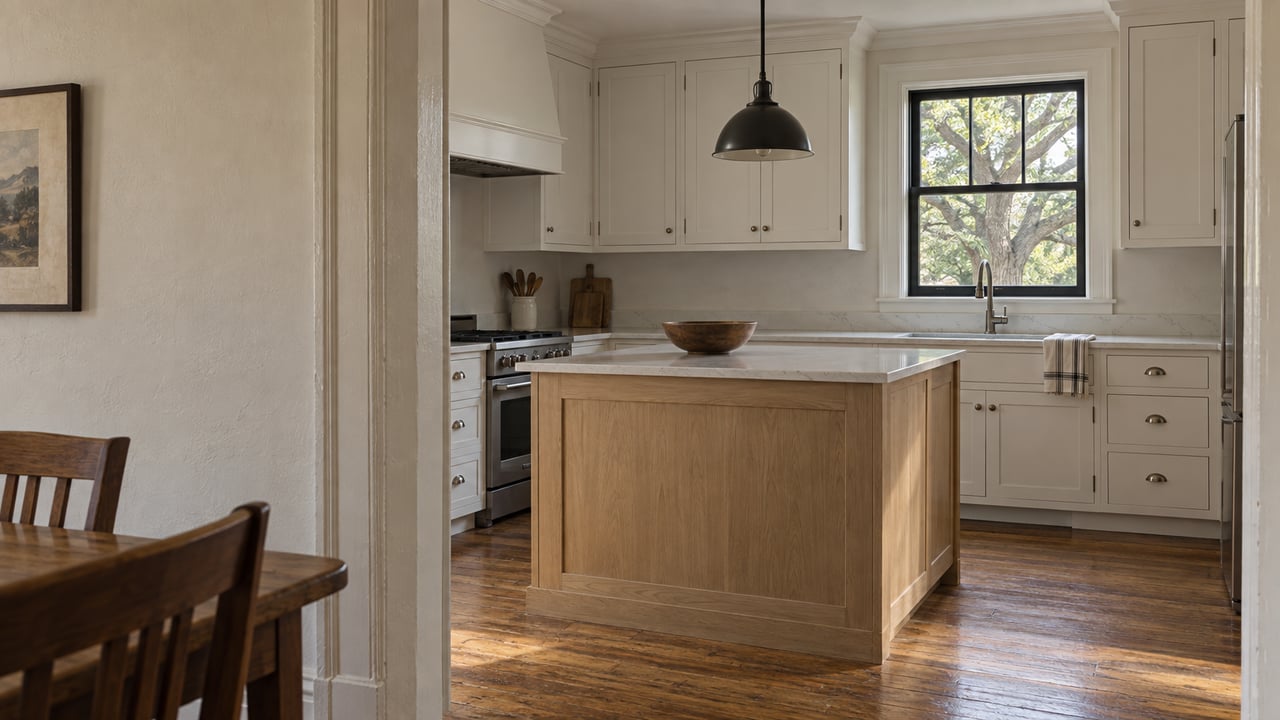
On August 16, 2026, the least expensive active listing in Sylvan Park was priced at $599,900. The most expensive, live on the market the same day, was $2,695,500. Both carried a Sylvan Park address. Neither was a fluke.
That kind of spread would be strange in most Nashville neighborhoods. In Sylvan Park it is close to normal, because the gap has almost nothing to do with location within the neighborhood and almost everything to do with which of three overlapping housing markets a given address belongs to. A buyer comparing two listings four blocks apart isn't really comparing two houses in the same neighborhood. They're comparing a 1920s original, a full gut renovation of that same era of home, and a new build on a cleared lot, three products that happen to share a zip code and very little else.
What the Three Tiers Actually Cost
Sylvan Park's housing stock dates almost entirely from a single building boom, Craftsman bungalows, cottage-style homes, Tudor revivals, and Victorian-era houses constructed between 1905 and the 1940s, most on lots between a tenth and a quarter acre with detached garages set off rear alleys. Starting in the mid-2000s, builders began clearing some of those lots for new construction. The result, based on a recent 12-month stretch of closed sales, is three housing tiers with overlapping price ranges sitting on the same streets:
| Tier | Typical Price Range | What You're Buying |
|---|---|---|
| Original, unrenovated | $375,000 to $700,000 | 1905-1940s bungalow or cottage, original systems, largely untouched |
| Fully renovated original | $800,000 to $1.6 million | Same-era home gutted and rebuilt with modern systems and added square footage |
| New construction | $1.075 million to $3.25 million+ | Post-teardown build, typically 3,000 to 5,000+ square feet, 4 to 6 bedrooms |
Builders active in that third tier include Regiment Construction, Native Construction, and TimoSix, whose new builds now sit alongside the originals they replaced. None of this shows up as a separate line item on a listing sheet. It shows up as three very different numbers that all get averaged into the same headline median.
Why the Spread Keeps Widening
Redfin's data for the three months ending June 2026 puts Sylvan Park's median sale price at $1.1 million, up 11.5 percent from the same period a year earlier. Forty-one homes sold in June 2026, compared with 31 in June 2025. Days on market rose too, from 48 to 56.
Those two numbers moving together, a higher median and a longer time to sell, aren't necessarily a sign of a slower market. They're more consistent with a shift in what's selling. As more of the neighborhood's inventory shifts toward the renovated and new-construction tiers, the trailing median gets pulled upward even if the original-home segment holds steady, and the added time on market tracks the larger, pricier builds that simply take longer to find a buyer than a $500,000 original does. A rising median in Sylvan Park right now is at least partly a story about mix, not just about appreciation.
Price per square foot tells a similar story once you look at it by band instead of as a single figure. Across all active listings in mid-August 2026, the average ran $488 per square foot. A month later, active listings in the $700,000 to $800,000 range averaged $372 per square foot. That's not a discount. It's the renovated-original tier, where older floor plans and smaller footprints hold the price per foot down even as the total price climbs into seven figures. A buyer using price per square foot as a shorthand for value in Sylvan Park is comparing apples sitting next to oranges that happen to share a mailing address.
Original Homes and New Construction
Not every original home in Sylvan Park is a candidate for the third tier.
Certain streets, Nebraska Avenue, Nevada Avenue, Elkins Avenue, and Idaho Avenue among them, continue to show the highest concentration of unrenovated originals in the neighborhood. Those are also the streets a builder would need to clear to add new-construction inventory there.
Why the Confusion Doesn't Slow Demand
None of this has cooled interest in the neighborhood. Sylvan Park sits under five miles from downtown, close to the I-40 and I-440 interchange, with Charlotte Avenue and Harding Pike handling the daily commute and Vanderbilt roughly seven minutes away. McCabe Park and McCabe Golf Course anchor the western edge, Richland Creek Greenway runs through it, and Richland Park hosts a farmers market on the neighborhood's northern side. Murphy Road carries most of the walkable dining, Hattie B's Hot Chicken, Caffé Nonna, The Ridge, Edley's Bar-B-Que, Answer, Park Café, and Star Bagel among the names buyers mention most, with Common Ground Bar and Eatery for drinks and Another Broken Egg Cafe for brunch. Grocery runs cover Trader Joe's, Publix, The Turnip Truck, and The Produce Place, and Sylvan Supply and L&L Market fill in the retail in between.
That density of amenities within walking distance is part of why buyers keep targeting Sylvan Park specifically rather than treating it as interchangeable with other westside neighborhoods. It's also why the three-tier pricing structure matters more here than it would somewhere with a more uniform housing stock. The neighborhood's appeal is fixed. What changes, block to block, is which product you're actually buying into it.
FAQ
Does a lower price per square foot always mean a better deal in Sylvan Park? Not on its own. A lower per-square-foot number often reflects an unrenovated original with older systems and a smaller footprint, not an underpriced property. Comparing that figure only makes sense within a tier, original versus renovated versus new construction, not across all three at once.
Sylvan Park rewards a buyer who knows which of its three markets they're actually shopping in. The Gaston Group walks Nashville buyers through that comparison street by street, so the offer you write matches the house you're actually getting.
This article is general information, not legal, tax or financial advice. Consult a qualified professional about your situation.